Serverless - Knative V1
Knative概述概述 Knative是一款基于Kubernetes的Serverless框架,支持基于请求的自动弹性、在没有流量时将实例数量自动缩容至零、版本管理与灰度发布等能力 在完全兼容社区Knative和Kubernetes API的基础上,ACS Knative进行了多维度的能力增强,例如通过保留实例降低冷启动时间、基于AHPA实现弹性预测等 为什么要在Kubernetes集群中使用KnativeKnative介绍Knative是一款基于Kubernetes集群的Serverless框架,提供了云原生、跨平台的Serverless编排标准。Knative通过整合容器构建、工作负载管理以及事件模型来实现这一Serverless标准,优势如下。 更聚焦于业务逻辑:Knative通过简单的应用配置、自动扩缩容等手段让开发者聚焦于业务逻辑,降低运维负担、减少对底层资源的关注。 标准化:将业务代码部署到Serverless平台时,需要考虑源码的编译、部署和事件的管理。 目前社区和云厂商提供的Serverless解决方案和FaaS方案标准不一。 Knative提供了一个标准、通用的Serverle...

Microservices - MSE V4
无损上下线 为了提高系统的效率和响应速度,减少任务切换时的等待时间,同时提高系统的可用性和稳定性 本文介绍微服务治理中的流量治理模块的无损上下线功能 无损上线无损上线能提供相应的保护能力,包括服务延迟注册、服务小流量预热、服务就绪检查三个功能 无损下线 在高并发下,服务提供端应用实例的直接下线,会导致服务消费端应用实例无法实时感知下游提供者实例的实时状态,因而出现继续将请求转发到已下线的实例,从而导致请求报错,流量有损 为了解决这类问题,MSE提供了无损下线功能,帮助您更好的应对一个线上应用,在服务更新部署等过程中的问题 使用YAML配置无损上下线您不仅可以在MSE控制台上配置无损上下线功能,也可以通过在容器服务ACK中配置YAML无损上下线参数方式来开启功能 无损上线 对于任何一个线上应用来说,发布、扩容、重启等操作不可避免 在应用启动各阶段,无损上线能提供相应的保护能力,包括服务延迟注册、服务小流量预热、服务就绪检查三个功能 本文介绍MSE提供的无损上线功能 无损上线功能概述延迟注册 微服务提供者实例会在应用启动过程中,进行服务的注册 一旦完成服务注册,就可以被外部服务消费者应用订阅和调用...

Microservices - MSE V3
流量防护规则适用场景概述 微服务的稳定性一直是您非常关注的话题 随着业务从单体架构向分布式架构演进以及部署方式的变化,服务之间的依赖关系变得越来越复杂,业务系统也面临着巨大的高可用挑战 MSE流量防护就是一款借助流量控制、热点防护等模块,来提高应用高可用能力的产品 本文介绍各个流量防护规则以及适用的场景 不稳定场景在生产环境中您可能遇到过以下不稳定的情况: 大促时瞬间洪峰流量使得系统超出最大负载、Load飙高、系统崩溃导致用户无法下单 “黑马”热点商品击穿缓存、数据库被打垮、挤占正常流量 调用端被不稳定第三方服务拖垮、线程池被占满、调用堆积,导致整个调用链路卡死 这些不稳定的场景可能会导致严重后果,但很多时候开发者容易忽视这些与流量、依赖相关的高可用防护。MSE流量防护功能就可以预防这些不稳定因素带来的影响,针对流量进行高可用的防护,从而保障服务“稳如磐石”。 核心场景流量防护各规则说明和适用的核心场景如下表所示 接口流控规则描述通过MSE配置QPS模式的流控规则,当每秒的请求量超过设定的阈值时,会自动拒绝多余的请求 核心场景适用于需要限制突发的流量,在尽可能处理请求的同时来保障服务不被击垮的...

Microservices - MSE V2
MSE快速入门 MSE产品包含以下模块:微服务注册配置中心、微服务治理、云原生网关 您在构建自己的微服务体系时,既可单独使用某个模块,也可搭配使用以便获得微服务生态的最佳实践 概览简介本教程覆盖微服务引擎MSE的核心能力,帮助您快速上手并理解MSE产品,预计体验时长20分钟。主要分为如下四个步骤,建议您按照顺序进行体验 在容器(ACK或ACK Serverless集群)部署示例的微服务应用,并将服务注册到Nacos 通过注册配置中心实现统一配置管理 利用云原生网关将服务暴露到公网 通过服务治理实现全链路灰度发布 适用对象本教程适用于Spring Cloud&Dubbo等微服务框架的开发者、IT基础架构师、管理员和DevOps人员等计划在阿里云上实现或扩展云原生架构的相关人员 整体架构 注册配置中心:支持注册和配置中心全托管(兼容Nacos/ZooKeeper/Eureka),可实现对服务节点和配置信息的维护和统一管理,具备丰富完善的监控报警、控制台运维操作和引擎类型,相比开源组件,具有更高性能、SLA保障和配置能力 云原生网关:提供安全高效的符合K8s Ingre...
Microservices - MSE V1
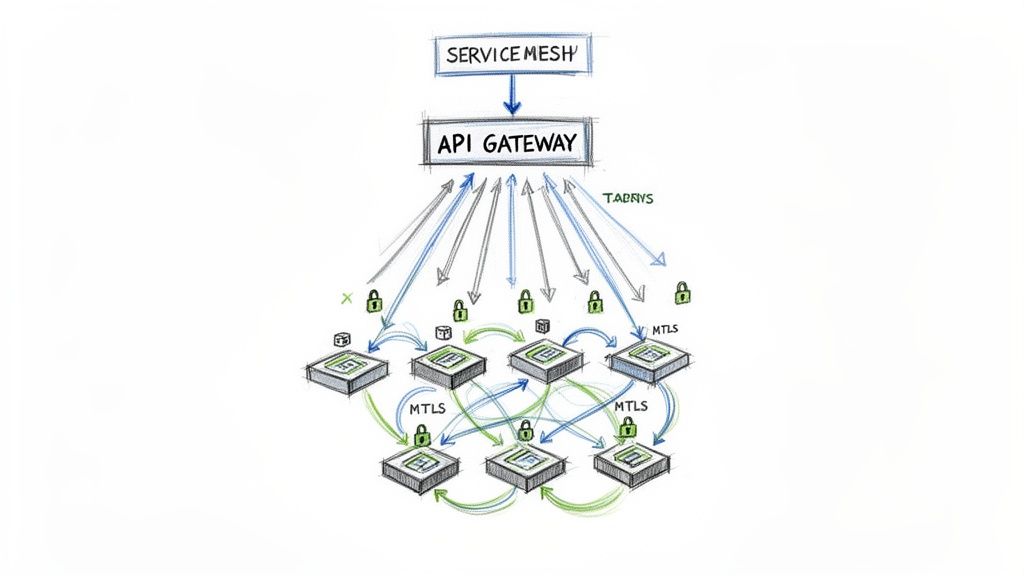
什么是微服务治理概述微服务治理中心能够无侵入增强主流Spring Cloud、Apache Dubbo等开源微服务框架,提供丰富的服务治理和流量防护功能,将中间件与业务解耦 微服务治理能力与应用场景全链路流量治理MSE微服务治理为微服务的各个环节提供了全面的治理解决方案,帮助企业快速构建完整且健壮的微服务体系 低成本实现微服务敏捷开发 依托于开发环境隔离能力,可以在不增加物理机器成本的前提下,低成本扩展出多套逻辑隔离的开发环境,有效地解决环境抢占和冲突问题,实现敏捷开发 开发环境隔离:通过全链路灰度这种逻辑隔离方式实现开发环境隔离,可以在不增加成本的情况下增加多套开发测试环境,助您实现敏捷开发 消除变更过程中风险依托于配置管理、无损上下线和全链路灰度能力,全面消除变更过程中的风险 无损上线通过无损上线时的延迟注册和小流量预热可有效避免新版本上线时的流量损失 无损下线通过无损下线中的自适应等待和主动通知,可有效避免旧版本下线时的流量损失 全链路灰度 通过创建泳道组与泳道可精确控制RPC、HTTP、异步消息等多种类型的流量 从前端到网关再到后端各个微服务间,实现流量在泳道内闭环,从而快速实现微服务架构...
Agent Infra - Agentic Database V1
什么是 PolarDB Agentic Database PolarDB MySQL版面向海量AI Agent智能体场景,提供Agentic Database形态 Agentic Database基于敏态Serverless构建,支持Scale to Zero极致弹性、秒级Branch分支穿梭、库内多模融合检索与推理,以及MCP/CLI原生交互,为AI Agent应用提供极致性价比的数据库服务 背景 随着以Claude Code、Qoder等为代表的通用Agent智能体的快速发展,业务形态正从传统SaaS、微服务体系向AI Agent智能体方向演进 海量Agent场景对数据库提出了新的需求:极致弹性的资源调度、秒级环境隔离与切换、库内AI推理能力,以及零改造的Agent接入方式 PolarDB MySQL版推出Agentic Database形态,在敏态Serverless基础上,进一步提供Scale to Zero、秒级Branch分支、沙箱隔离运行时等核心能力,从传统关系型数据库演进为AI-Native的Agentic Database 核心特性极致Serverless弹性Agen...

Agent Infra - Cloud Agents V8
API 全景:从端点反推业务布局 本篇素材是官方 API 文档全量 238 篇(213 个端点 + 25 篇 Schema/概念页)——不再按指南页逐篇读,而是把端点当作”业务布局的化石记录”来反推 两个数字定全局:Managed Mode(/api/v1/cloud)105 个端点,Forward Mode(/api/v1/forward)114 个——交付层端点数已反超原语层,平台重心在”让别人把 Agent 嵌进自己的产品“ 方法分布 GET 103 / POST 93 / DELETE 22 / PUT 2(均已弃用),全 API 无 PATCH——更新一律 POST /{id},文档明说为对齐 Anthropic CMA 规范 一句话:V1–V7 是”用户指南视角“(概念 → 功能),本篇补上”API 视角”(资源 → 端点)——四块拼图 V1–V7 完全没讲:Deployments(定时运行)、Forward Mode 深层、Work API(BYOC 工人协议)、事件溯源架构观。 心智模型 一句话:API 是业务的骨架—...
Agent Infra - Cloud Agents V7
Cloud Use(用云) Cloud Use 让云上运行的 Agent 以受治理的身份操作你的阿里云资源,在云上闭环完成任务 接入分两步:控制台用 OAuth 授权阿里云 OpenAPI MCP + 按需从技能中心导入阿里云官方 Skill Agent 以平台注入的机器身份通过 MCP 调用阿里云 OpenAPI - 云端长期运行、按事件实时触发、云操作全程服务端留痕 Cloud Use = V4/V5/V6 三篇机制的官方样板间:OAuth 凭证进(Vault)、事件驱(Webhooks / Schedules)、双层账单(Credits + 阿里云)——文末机制剖析逐一对应 心智模型 一句话:OAuth 授权一次,Agent 7×24 在云上替你管云 - 读永远 allow、变更必须 ask、破坏永远 deny。 全景:接入与运行 flowchart TB subgraph SETUP["🔌 接入(控制台,一次性)"] direction TB A["① 阿里云 RA...

Agent Infra - Cloud Agents V6
文件上传与挂载 上传文件为 Agent 提供上下文,并下载 Agent 产出的文件 文件 API 让你向 Session 提供文件上下文 - 代码仓库、配置文件、参考文档等 Agent 可以读取这些文件来理解任务背景 Files / Resources 属于 Managed Mode 资源(base URL /api/v1/cloud),系列分界线见 V5 全景:一张图看懂 flowchart TB subgraph CTRL["🎛️ 控制面(记账)"] API["Files API"] OSS[("对象存储<br/>file 正文")] DB[("元数据库<br/>scope · 引用计数")] SPEC["Session 资源表<br/>sesr_: file_id → mount_path"] W[("工作队...

Agent Infra - Cloud Agents V5
Schedule 在 Forward Session 中使用自然语言创建、查询和删除 Schedule 除了调用 Schedule API,终端用户也可以在 Web 或 IM Channel 会话中描述任务内容和执行时间,由 Agent 创建 Schedule 创建后,任务会按约定时间自动运行,无需保持当前会话在线 使用前提当前会话使用的 Template 必须启用对应的 Schedule 托管工具: 能力 托管工具 创建 Schedule create_forward_schedule 查询 Schedule list_forward_schedules 删除 Schedule delete_forward_schedule Template 默认不启用这些工具。managed_tool_config 是 Template 请求体的顶层字段,可通过以下接口配置: 场景 接口 创建 Template 时启用 POST /api/v1/forward/templates 为已有 Template 启用或调整 POST /api/v1/forward/templ...